


Sam Watanabe on Scaling HVAC in Santa Clarita's Growth Market
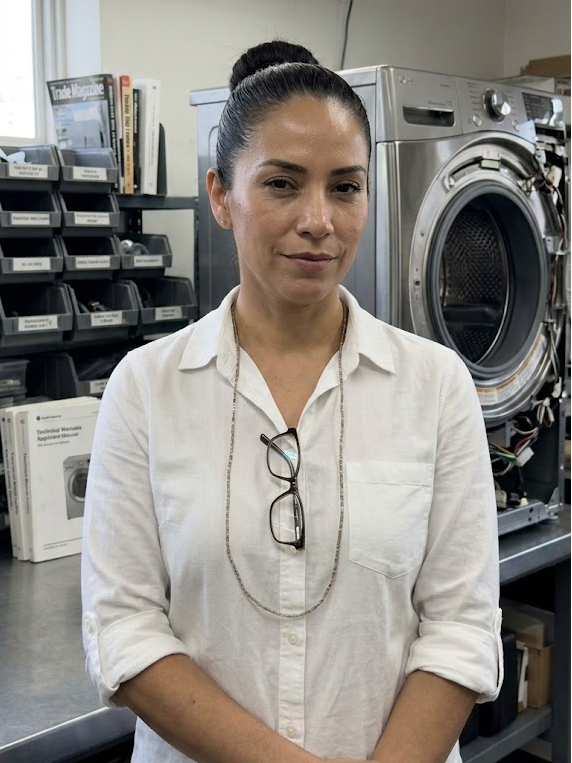
Maria Solano
Former appliance warranty claims adjuster turned investigative repair journalist. Maria's 'What Went Wrong' teardown series has made her the most feared woman in the white-goods industry.
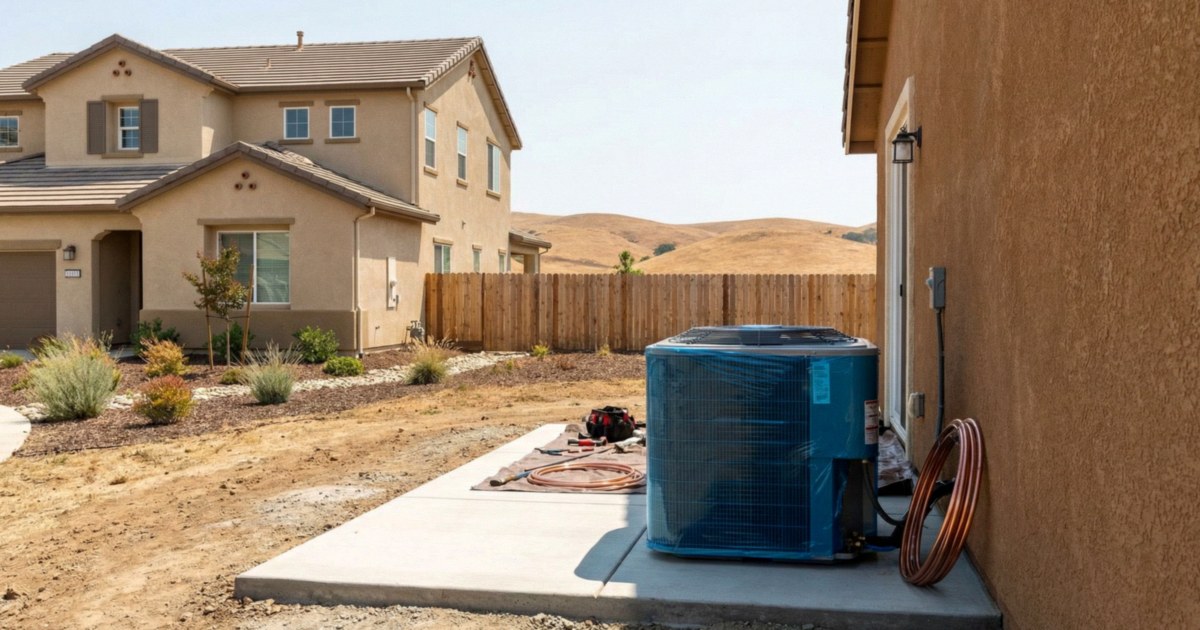
Sam Watanabe owns Santa Clarita Air Conditioning Repair, an HVAC service company covering the Santa Clarita Valley and its surrounding communities — Valencia, Saugus, Newhall, Canyon Country, and beyond. The SCV is one of the fastest-growing suburban markets in Los Angeles County, and when summer temperatures push past 110°F in the Inland areas, his phone doesn't stop ringing.
We talked about scaling an HVAC business in a suburban boom market, the technician problem everyone's dealing with, and what it actually takes to serve a community that grows by thousands of households a year.
ServiceMag: What makes the Santa Clarita Valley different as an HVAC market compared to, say, working in central LA?
"The heat is the obvious thing. We're inland, we're in a valley that traps heat, and when July hits it's genuinely brutal — we're talking 108, 110°F on back-to-back days for weeks at a time. That means our peak season is compressed and intense. You don't get the kind of slow-build summer you might get closer to the coast. It goes from spring to emergency all at once."
"The other thing is the growth. Santa Clarita is one of the fastest-growing cities in California. New tract homes going up in all directions. Every new home in Valencia and Stevenson Ranch needs HVAC service from day one. Those are also newer systems, which means they're under warranty, which means there's a lot of manufacturer warranty work mixed in with the independent calls. Understanding how to navigate warranty programs is a real part of running an HVAC business here."
ServiceMag: What neighborhoods are you focused on and what does the demand profile look like across the Valley?
"We cover all of Santa Clarita — Valencia, Saugus, Newhall, Canyon Country, Stevenson Ranch, Castaic. Each neighborhood has its own character. Valencia and Stevenson Ranch are newer construction, so the systems are 5-15 years old, high efficiency, two-stage, variable speed. That work requires real diagnostic skill because these systems are sophisticated."
"Newhall and Canyon Country have older housing stock — 1970s, 1980s builds with original or first-replacement HVAC systems. That's a different kind of work. Simpler systems, but sometimes you're dealing with R-22 equipment that hasn't been touched in years. Those calls can go anywhere."
"Saugus is a mix. There's a significant amount of new development and also established neighborhoods. One street is brand new, the next is 30 years old."
ServiceMag: How does summer demand spike affect your operations?
"It changes everything for 90 days. We go from scheduled maintenance and installations to almost entirely emergency no-cool calls. The scheduling window that might be three or four days in spring drops to same-day because a family in Newhall with no air conditioning on a 105°F day cannot wait three days."
"You have to staff for the peak. That means having more technicians available than you strictly need in the off-season. It means having parts stocked — capacitors, contactors, refrigerant — so you're not waiting on shipments when every job is urgent. And it means having a dispatch system that can handle the volume. We've had days where I had 30-something calls come in before noon."
"The flip side is you can't hire 30% more staff for three months and then not have work for them in October. Managing that seasonality is one of the harder parts of the business."
For homeowners: get your annual HVAC maintenance done in March or April, before peak season. A condenser coil cleaning, capacitor check, and refrigerant level verification in the spring catches the failures before they become 110°F emergencies. Every tech in the SCV is slammed from June through September. Spring scheduling is much faster.
ServiceMag: Let's talk about technician recruitment. What's the reality of finding qualified HVAC techs in this market?
"It's the hardest part of the business right now. Genuinely harder than finding customers. The qualified tech population is smaller than it should be, and every HVAC company in the region is competing for the same people."
"NATE certification is the standard I hire to. I want someone who can diagnose a variable-speed air handler, not just swap capacitors. That narrows the pool considerably. A lot of people come in with years of experience and they're good at simple residential work but have never touched a two-stage system or a mini-split."
"We've started doing our own internal training. I have a senior tech who does structured onboarding for newer hires. It takes 6-8 months before someone coming in with basic skills is running calls independently. That's an investment. Sometimes it works out and you have a great tech for years. Sometimes they go start their own company, which is frustrating but part of the trade."
ServiceMag: How do you think about residential vs. light commercial work?
"We're primarily residential but we do a meaningful amount of light commercial — small offices, strip-mall suites, restaurants. The SCV has a lot of commercial development following the housing growth. Those calls are more complex, the equipment is larger, and the billing is different. But the diagnostic principles are the same."
"Where residential and commercial really diverge is in the service contract side. Commercial clients want contracts. Quarterly maintenance visits, priority response, all-in pricing. Residential customers mostly don't think that way — they call when something breaks. The recurring revenue from commercial contracts is attractive, but managing the contract portfolio is its own operation."
ServiceMag: What do most homeowners not understand about their HVAC systems that you wish they did?
"Filters. Everyone knows you're supposed to change the filter. Almost nobody does it on schedule. I cannot tell you how many no-cool calls in summer are caused by a filter that hasn't been changed since November. The system freezes up, the homeowner thinks the AC is broken, we show up and pull out a filter that looks like a gray shag rug."
"The second thing is that maintenance matters. An annual tune-up with a capacitor check and coil cleaning is $100-150. It finds the capacitor that's about to fail before it fails on the hottest day in August. Skipping maintenance and then dealing with an emergency call on a 110°F day is more expensive and more stressful for everyone."
ServiceMag: What would you tell someone thinking about starting an HVAC business in this market specifically?
"Start with your online presence before anything else. In the SCV, like everywhere in LA County, people search for what they need. If you're not on the first page of Google for your service area, you don't exist to most potential customers. Invest in a real website, invest in reviews management, and be patient — organic search presence takes 6-12 months to build."
"Also: know your limits on the technical side before you hang your own shingle. HVAC has gotten genuinely complex in the last decade. Variable refrigerant flow, communicating controls, smart thermostats, the refrigerant transition to R-454B and R-32. If you don't stay current on the technical side, you will get to a call you can't handle, and how you handle that moment tells the customer a lot about you. Admitting it and getting help is fine. Faking it is not."
"And finally: answer the phone. I know that sounds basic. But in a market where a customer needs AC in 100°F heat and they're calling five companies, the first one that answers and sounds competent gets the call. Never let it go to voicemail during business hours. I know guys in the trade who would double their revenue if they just picked up the phone."
For more on what good HVAC diagnostics looks like once you're on the call, our guide to AC not cooling covers the full diagnostic process from thermostat to compressor. And for another perspective on building a repair business in Santa Clarita, see our interview with Bryan Karr of Santa Clarita Appliance Repair.
How to Contact Santa Clarita Air Conditioning Repair
Santa Clarita Air Conditioning Repair serves Valencia, Saugus, Newhall, Canyon Country, Stevenson Ranch, Castaic, and surrounding communities in the Santa Clarita Valley. Visit santaclarita-airconditioningrepair.com or call (661) 214-4997.
Need a repair professional?
Get free quotes from verified technicians in your area.
Find a Pro Near You